“coffee tree harvest” search results (3000)
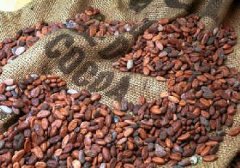
Arabica coffee beans mature from June to August.
Every winter (dry season) is the harvest period of coffee beans, coffee trees after three to four years of growth, gradually mature, began to bear fruit, fruit next to the branches arranged in a string or cluster. Coffee beans wrapped in red skin inside, as soon as red can be picked. Most Arabica beans mature between June and August, and Roberto beans between September and October. Therefore,
2015-10-07 Coffee beans harvesting processing rabbi maturity June-August annual winter dry season
Introduction to Berman Manor in Kenya Coffee Manor with perfect and balanced taste
Coffee trees in Kenya can bloom twice a year. Most coffee trees bloom in March and April after the long rainy season, and in most coffee producing areas, the harvest season lasts from October to the end of the year. Some coffee trees blossom in October or November and are harvested in July of the following year. Kenyan coffee has always been picked by hand, and farmers only harvest red mature coffee beans.
2016-08-10 Taste perfection balance Kenya coffee manor producing area flavor taste characteristics
Coffee knowledge Coffee growth cycle and picking
Coffee beans are the seeds of coffee trees. After three or four years of growth, the coffee tree matures and begins to bear fruit, with one fruit arranged in clusters or clusters along the branches. The outside of the seed is a layer of peel, which can be picked as soon as it turns red. Under the red skin (exocarp) there is a layer of pulp (mesocarp), which is a small thin layer, and then a layer of material endocarp like parchment. In
2014-09-16 Coffee knowledge coffee growth cycle coffee picking
The harvest of coffee
From the coffee-producing countries, we can find that since almost all coffee is produced in countries with more cheap labor, it can be guessed that the process of harvesting coffee beans requires a lot of manpower.
2014-07-07 Coffee knowledge coffee harvesting coffee encyclopedia
Introduction to the treatment process of raw coffee beans Coffee trees bear fruit several times a year
When the coffee berries are ripe, they are usually harvested by manual picking. In some places, only the fully ripe berries are picked, while others are all picked from a single branch. The former is called handpicked and the latter is called strip-picking. Because the ripening time of coffee berries is not consistent, the harvest is likely to be divided into several stages.
2016-07-11 Coffee raw beans treatment process introduction structure several times a year coffee berries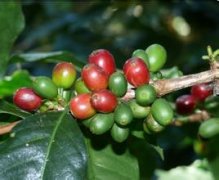
The growth cycle and picking of high-quality coffee
Coffee beans are the seeds of coffee trees. After three or four years of growth, the coffee tree matures and begins to bear fruit, with one fruit arranged in clusters or clusters along the branches. The outside of the seed is a layer of peel, which can be picked as soon as it turns red. Under the red skin (exocarp) there is a layer of pulp (mesocarp), which is a small thin layer, and then a layer of material endocarp like parchment. In
2015-01-07 Boutique coffee growth cycle picking coffee beans knots past year's
Coffee bean harvesting and processing methods
From the coffee-producing countries, we can see that since coffee is almost always produced in countries with low labor costs, we can actually guess that the coffee bean harvesting process requires considerable manpower.
2014-06-17 Coffee knowledge coffee harvesting coffee processing
Varieties of coffee trees
1.5 Arabica coffee varieties improved Arabica coffee beans include traditional varieties that are very close to the original, as well as mutants or hybrids mated with Robusta. Coffee variety improvement is not only limited to the fight against diseases and insect pests, but also the pursuit of a steady stream of harvests. 1. The variety of Arabica coffee belongs to the evergreen shrub Ara of the genus Rubiaceae.
2014-07-04 Coffee knowledge coffee trees varieties coffee encyclopedia
Varieties of coffee beans
Several main coffee varieties and their characteristics are introduced here. Typica, also known as Tiberka Tibika, is the closest to the native species of Arabica, where almost all Arabica varieties originate. Widely cultivated in Central and South America in the past, the bean is long in shape and has excellent aroma and sour taste, but it is not resistant to leaf rust and requires quite a lot of shading trees to lead to production.
2014-06-30 Coffee bean varieties coffee bean characteristics boutique coffee beans
Introduction to the flavor of Nicaraguan coffee producing area Lemon Tree Manor in Matagalpa
Coffee is Nicaragua's main export. According to the president of the Nicaraguan Coffee Farmers' Federation, due to the poor harvest of coffee in Nicaragua's Pacific region, the country's total coffee production in 1998 may be 12% lower than that in 1997. In the coffee year of 1997 and 1998, Nicaragua harvested 1.422 million bags of coffee (each bag of 46kg), which has been producing 1% of coffee in the past 14 years.
2016-06-27 Nicaragua coffee producing area flavor introduction Mataga Erpa lemon tree manor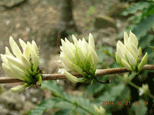
A detailed analysis of the whole process of a coffee from coffee seed to coffee tree and then to coffee bean picking
The first people to drink coffee lived in Ethiopia. A drink called Buncham was found in the Arab scientific literature of 900-1000 AD, but it is not certain that it is coffee. These documents mainly record the scientific value of this bean called Buncham. In addition to introducing the protective effects of this drink on the stomach, organs and skin, the author also mentioned that it can make
2015-12-29 One coffee seed and then coffee beans picking the whole process detailed analysis
Boutique Coffee beans: introduction of Java long-grain beans in Limon Manor of Nicaragua
Nicaragua Lemon Tree Manor (JavaNica?Nicaragua Limoncillo Estate) Coffee production area: Nicaragua / Matagalpa Province / Limoncillo Manor planting area: 100ha planting altitude: 980mm 1350m Raw Bean Variety: JavaNica (Long Berry) Raw Bean treatment: Washed and Sun Dried harvest season: December-March Lemon Manor
2015-12-01 Boutique coffee beans Nicaragua lemon tree manor Java long grain bean seed introduction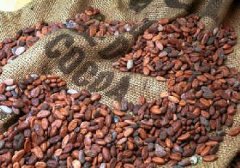
The process of planting and picking Coffee basic knowledge of Coffee
The first people to drink coffee lived in Ethiopia. A drink called Buncham was found in the Arab scientific literature of 900-1000 AD, but it is not certain that it is coffee. These documents mainly record the scientific value of this bean called Buncham. In addition to introducing the protective effects of this drink on the stomach, organs and skin, the author also mentioned that it can make
2015-02-16 Coffee planting picking process basics common sense
Coffee harvest is a mixture of joys and sorrows.
Most of the major coffee-producing countries have a bumper harvest, which is supposed to be a blessing for coffee consumers around the world, but some people are happy and others are sad: there is nothing happiest than coffee retailers (because of the sharp reduction in costs.) and coffee lovers (retail prices are expected to fall, the market choice is flat and beautiful); but the biggest worry is of course a large number of coffee farmers (because prices have plummeted, even lower than the cost).
2014-07-11 Coffee News Coffee Harvest Coffee Encyclopedia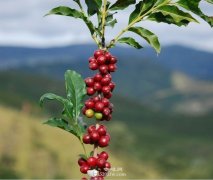
Introduction to Coffee Tree knowledge Coffee
There are about 60 kinds of coffee, but there are mainly two varieties of coffee grown commercially. "Arabica" 2. "Robasta" if divided according to the planting area of these two kinds of coffee, Arabica accounts for 70% of the world's acreage, and Robasta accounts for 30%. This shows how important Arabica coffee beans are in the world! So
2014-09-15 Coffee knowledge coffee tree coffee tree species
The growth cycle of Coffee and the Coffee Science of picking Fine products
The growth cycle of coffee and the picking of coffee beans are the seeds of coffee trees. After three or four years of growth, the coffee tree matures and begins to bear fruit, with one fruit arranged in clusters or clusters along the branches. The outside of the seed is a layer of peel, which can be picked as soon as it turns red. Under the red skin (exocarp) there is a layer of pulp (mesocarp), inside is a small thin layer, and then there is a layer like parchment
2015-07-30 Coffee growth cycle picking boutique coffee coffee beans
The way coffee beans are treated after picking.
Every winter (dry season) is the harvest time for coffee beans. After three to four years of growth, coffee trees mature and begin to bear fruit. The fruits are arranged in a string or clustered together next to the branches. Coffee beans are wrapped in red skins and can be picked as soon as they turn red. Most Arabica coffee beans mature from June to August and Roberts coffee beans from September to October. therefore,
2015-02-16 Coffee beans picking processing after way year winter dry season coffee
The requirements of geographical environment for the cultivation techniques of coffee trees
The cultivation technology editor requires that the origin of coffee tree [4] is in Ethiopia in Africa. In botany, coffee trees belong to the evergreen trees of the subgenus Rubiaceae, and coffee beans, commonly known as coffee beans, are actually the seeds of the fruit of coffee trees. They are called coffee beans only because they are shaped like beans. Climate is the decisive factor for coffee cultivation. Coffee trees are only suitable for growing in the tropics or
2016-06-06 Coffee species cultivation techniques geographical environment requirements editors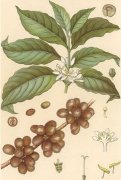
Definition of Coffee Tree basic knowledge of Fine Coffee
Coffee trees are evergreen shrubs with slender trunks and many branches. In order to facilitate harvesting, coffee trees on the farm are usually maintained at about 1.5 meters. Wild coffee trees may grow to seven or eight meters, or even as high as 10 meters. After the coffee is planted, it will take about five years to grow, blossom and bear fruit for the first time for farmers to harvest. In this long five years, the seeder can only expect; the burden of the backlog of funds.
2015-04-03 Coffee definition boutique basics common sense coffee evergreen shrub tree trunk
Geographical Distribution cultivation techniques of Coffee trees
Coffee grows mostly in countries with alpine terrain between the Tropic of Cancer and the Tropic of Cancer. It is native to tropical Africa and is introduced and cultivated in South and Southwest China. [2] the cultivation technology editor requires that the origin of the coffee tree [4] is in Ethiopia in Africa. In botany, the coffee tree belongs to the evergreen tree of the coffee subgenus of Rubiaceae, and the so-called coffee bean is actually the fruit of the coffee tree.
2016-06-08 Coffee geographical distribution cultivation techniques coffee long promised land mostly located in Beihui